
In polyurea coatings Why is thickness control important? This is a critical question because it affects both durability and waterproofing performance. If the thickness is insufficient, the coating can wear prematurely, increasing the risk of water leakage. However, applying too thickly can also create cost and flexibility issues. Therefore, proper planning must be performed before application. For detailed information on thickness control, see Surface preparation before polyurea application You can review the page.
Effect of Thickness Control on Waterproofing Performance
The thickness of polyurea coatings directly affects waterproofing performance. However, in some applications, if thickness is not uniform, weak points can develop. These points can lead to water leaks and shorten the life of the structure. When the thickness is sufficient, polyurea coatings resist cracking and provide long-lasting protection. Furthermore, uniform application increases the mechanical strength of the coating and Differences between pure polyurea and hybrid polyurea reinforces the advantages described on the page.
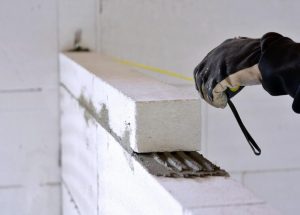
Thickness Measurement Methods and Control Techniques
Thickness measurements for polyurea coatings should be made during and after application. However, if proper measurement techniques are not used, results can be misleading. Ultrasonic measuring devices and thickness gauges provide precise and reliable data. Furthermore, operator training during application is critical for thickness uniformity. Thickness control also ensures UV resistance and UV resistant coating systems optimizes its performance.
Effect of Thickness on Durability and Mechanical Properties
The thickness of a coating affects its mechanical strength and elasticity. However, thin coatings are more prone to cracking, especially in areas subject to high loads. Thick, uniform coatings offer impact resistance and ensure long-lasting use. Therefore, thickness planning for polyurea coatings is a strategic decision for both cost and performance reasons.
Application Tips for Preventing Thickness Errors
Thickness errors are often caused by inadequate preparation and the use of incorrect equipment. However, these risks can be minimized with planned application and regular measurement. The surface should be checked for cleanliness and smoothness before application. Operators ensure uniform distribution by checking the thickness of each layer. Furthermore, thickness planning offers significant advantages in terms of waterproofing and aesthetic appearance.
The Importance of Thickness Control in Polyurea Coatings
Why is thickness control important in polyurea coatings? This directly affects both waterproofing performance and the lifespan of the coating. If the thickness is insufficient, the coating can wear prematurely, increasing the risk of water leakage. However, applying too thickly also increases costs and reduces mechanical flexibility. Therefore, proper planning before application is essential. Surface preparation and material quality also determine the effectiveness of thickness control. For more information, Surface preparation before polyurea application You can review the page.
Uniform thickness increases the coating's mechanical strength. However, uneven thickness creates weak points and increases the risk of water penetration. Therefore, measuring at every application step is critical. Thickness is a decisive factor, especially for waterproofing roofs and terraces.
Effect of Thickness Control on Waterproofing Performance
Waterproofing in polyurea coatings is directly related to thickness control. However, non-uniform applications create water penetration points. Adequate thickness prevents the coating from cracking and provides long-lasting protection. Furthermore, correct thickness increases the mechanical strength of polyurea coatings and prevents deformation under high loads. This ensures safe use on roofs and terraces.
Thickness control is also directly linked to UV resistance. However, thin applications can weaken the coating against UV rays. Therefore, UV exposure should be taken into account when planning thickness. For more information UV resistant coating systems You can visit the page.
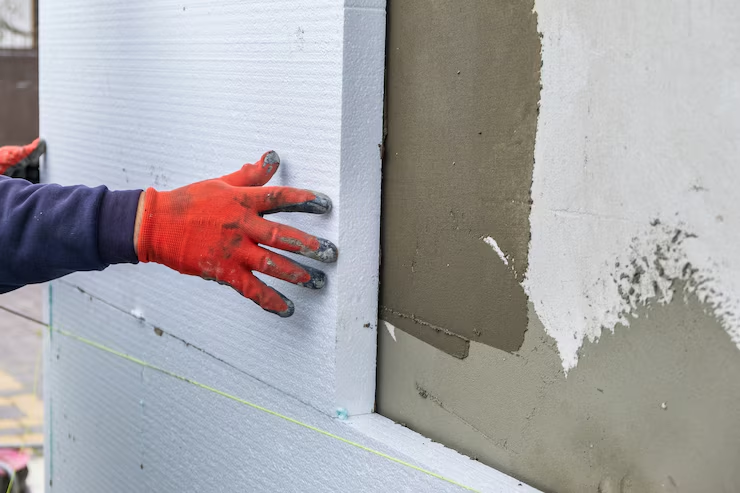
Thickness Measurement Methods and Techniques
Thickness measurements for polyurea coatings should be performed both during and after application. However, if proper measurement techniques are not used, inaccurate data can be obtained. Ultrasonic thickness gauges provide precise and reliable measurements. Furthermore, professional teams ensure uniform distribution by using the measuring devices correctly.
Operator training plays a critical role in thickness control. However, inexperienced applications can create irregularities in the coating. Therefore, measurement techniques and application processes must be carried out in accordance with standards. For details, Differences between pure polyurea and hybrid polyurea You can look at the page.
Mechanical Durability and Aesthetic Advantages of Thickness
Coating thickness directly affects mechanical strength and aesthetic appearance. However, insufficient thickness can lead to crack formation and premature deformation. Thick and homogeneous polyurea coatings offer impact resistance and long-lasting durability. They also ensure a smooth and aesthetically pleasing surface.
Thickness control offers aesthetic advantages along with waterproofing. However, non-uniform applications negatively impact both performance and appearance. Therefore, thickness measurements should be taken regularly throughout the application.
Tips for Avoiding Thickness Errors
Thickness errors are often caused by inadequate surface preparation and the use of incorrect equipment. However, these risks can be minimized with planned application and consistent measurement. Surface cleanliness, smoothness, and appropriate moisture conditions must be ensured before application.
Operators measure the thickness between layers to ensure uniform distribution. Furthermore, thickness planning provides advantages for both waterproofing and the aesthetic appearance of the coating. This method is critical for long-term and safe use.
Thickness Control and Long-Lasting Performance in Polyurea Coatings
Thickness control ensures the longevity of polyurea coatings. However, neglecting measurements can lead to premature coating wear and water leakage. Regular measurement and uniform application maximize coating performance. Thickness control also enhances the mechanical and chemical resistance of polyurea coatings.
Uniform thickness across the coating surface ensures resistance to UV rays and maintains aesthetics. However, irregular applications can cause both mechanical and visual problems. Therefore, thickness planning should be a priority for every project. For more application examples, see Sempoly gallery You can browse the page.
 English
  Turkish
  Russian