
Movement and expansion are inevitable in buildings, bridges and infrastructure structures. The importance of sealing materials in expansion jointsThe importance of preventing these movements from affecting structural integrity is significant. Correct material selection and application both maintain structural strength and ensure long-lasting insulation. However, this detail is often overlooked in many projects, leading to serious water leaks, corrosion, and structural damage over time. Therefore, the sealants used in expansion joints are of strategic engineering importance.
The Role of Expansion Joints in Buildings
Expansion joints accommodate the expansion of structural elements due to factors such as temperature, humidity, settlement, or vibration. These joints create a buffer zone between structural elements, preventing cracking, deformation, and leakage. However, if joint gaps are left open, these spaces become channels for water, chemicals, and even frost to seep into the structure. In this case, joint sealants come into play, providing both waterproofing and mechanical protection.
Thanks to today's developing construction technologies, polyurethane, polysulfide, silicone, and polyurea-based materials are frequently preferred. Polyurea-based systems, in particular, stand out with their fast curing time and high elasticity. These products demonstrate superior performance in both industrial flooring and exterior applications. For detailed examples, see: Sempoly You can browse the application contents on the website.
The Effect of Watertightness on Building Health
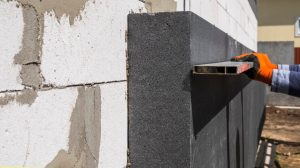
Water is the greatest enemy of building materials. In reinforced concrete systems, water seepage through capillary gaps causes corrosion in the reinforcing steel, particularly in concrete systems. Over time, corrosion weakens the structural system and leads to crack enlargement. Therefore, water must be prevented from entering expansion joints under any circumstances. Sealants act as an active barrier.
A properly applied sealing system not only provides waterproofing, but also offers advantages such as chemical resistance, UV resistance, and elasticity. Therefore, environmental conditions, temperature changes, and chemical effects should always be taken into account when selecting materials. For more information, visit gallery page You can examine and get ideas from different project examples.
Advantages of Polyurea Coatings in Expansion Joints
Polyurea technology has become an indispensable component of modern insulation systems. Polyurea offers a much more durable and long-lasting solution than traditional elastomeric materials. It cures quickly, is resistant to chemical attack, and maintains its elasticity over a wide temperature range. These properties allow it to provide an effective seal in expansion joints.
Additionally, polyurea coatings are known for their excellent adhesion to surfaces. Despite joint movement, the coating surface does not break or separate. These advantages significantly reduce maintenance costs for structures where they are applied. For more detailed information about the waterproofing performance of polyurea coatings, Long-Lasting Solutions in Waterproofing with Polyurea Coatings The article titled can also be reviewed.
Things to Consider When Choosing a Sealing Material
The success of a sealant depends on the correct formulation and proper application. Every structure has different movement capacities, surface properties, and environmental conditions. Therefore, no single product is suitable for every situation.
For example, UV-resistant elastomeric materials should be selected for expansion joints in open areas. Chemical-resistant polyurethane-based products are more suitable for indoor parking lots or floors. Another important consideration is the material's modulus of elasticity, as a product with low elasticity can crack in movement joints.
On this subject Waterproofing and Coating Systems in Parking Lots The content explains in detail the systems that can be used in floor-type applications. In addition, How to Waterproof Foundation Curtain Walls The guide also includes technical information regarding joint insulation.
Surface preparation during the application phase is as important as the material itself. Inadequate surface cleaning will weaken the material's adhesion and reduce system performance. Therefore, the surface must be dry, dust-free, and oil-free.
Differences Between Polyurea and Liquid Membrane in Expansion Joints
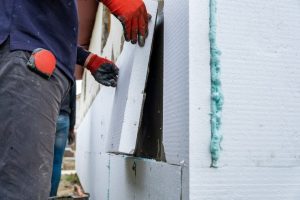
Many professionals in dilatations polyurea The question arises as to whether to use a liquid membrane or a liquid membrane. In fact, both systems have their own advantages. Liquid membranes stand out with their ease of application and affordability. Polyurea, on the other hand, provides high performance and longevity.
The selection should be made considering the project's size, surface movement capacity, and environmental factors. However, polyurea systems are generally superior to liquid membranes in terms of flexibility and mechanical strength. Should Liquid Membrane or Polyurea Be Used in Roof Waterproofing? The article titled compares the technical differences between the two systems.
Conclusion: Proper Sealing is Essential for a Long-Lasting Structure
Longevity in buildings depends not only on the strength of the structural system but also on measures taken against water, moisture, and chemicals. The sealants used in expansion joints are the most critical component of this protection.
Proper application is as crucial to success as material selection. Before every project, surface analysis should be performed, joint widths should be accurately measured, and materials should be applied in accordance with manufacturer recommendations.
Ultimately, the importance of sealants in expansion joints is not merely a technical detail, but a strategic factor that determines the structure's lifespan. When the right product and professional application are combined, risks such as water leaks and structural damage are completely eliminated. Contact our expert teams to discuss this matter. Sempoly Contact Page Detailed information can be obtained via.
 English
  Turkish
  Russian