
Primer application in waterproofing The question of why it's so crucial is frequently raised in the construction industry. Primer directly impacts the durability and performance of waterproofing systems. Proper application of waterproofing systems extends the lifespan of buildings. However, proper primer application is just as crucial as product selection. In this article, we'll explore step-by-step why primer application is so crucial. We'll also cover essential tips for professional waterproofing.
What is the Main Purpose of Primer Application?
Primer application establishes a strong bond between the surface and the waterproofing material. After surface preparation, the primer is applied to balance dust, moisture, and roughness on the surface. This allows the waterproofing products to adhere better to the surface. Furthermore, the primer layer balances surface absorbency, ensuring even distribution of the waterproofing material across the surface.
Primer application, especially waterproofing in wet areas This becomes even more important in areas like bathrooms, kitchens, and pool areas are constantly exposed to moisture. If the primer is not applied correctly, water infiltration into the surface becomes inevitable. This leads to long-term structural deterioration. However, using a high-quality primer eliminates this risk.
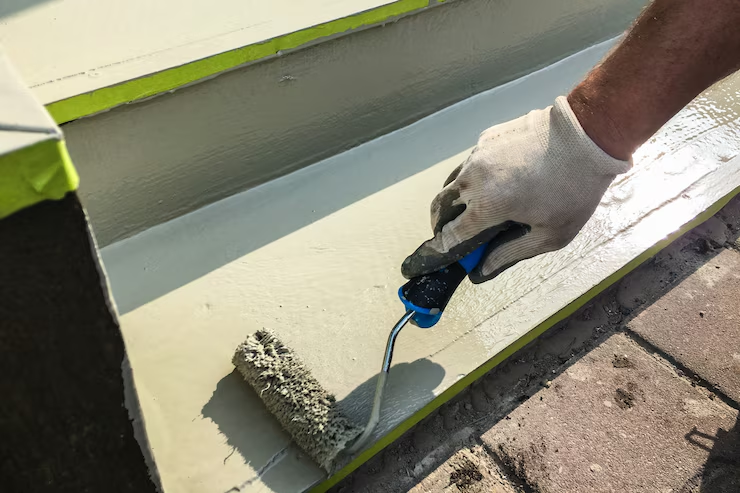
The Contribution of Correct Lining Selection to Insulation
In insulation systems, the primer should be selected according to the surface type. Different primer types are used on different surfaces, such as concrete, plaster, stucco, or metal. Because the absorbency and structure of each surface vary, the primer type should also be appropriate. For example, polyurethane-based primers: insulation products suitable for interior and exterior spaces It is one of the most durable options. These primers provide excellent support to the waterproofing layer thanks to their high adhesion strength.
However, in some applications, epoxy-based primers may be more suitable. Especially on damp surfaces, the use of an epoxy primer enhances surface insulation. This ensures the waterproofing material maintains its effectiveness for many years. Furthermore, the primer compensates for surface roughness, improving the aesthetic appeal of the final product. In this respect, it offers not only a technical but also a visual benefit.
Critical Details During Primer Application
Primer application is one of the most meticulous steps after surface preparation. The application surface must be completely clean and dry. It must be free of dust, oil, or loose particles, as these elements weaken the primer's adhesion. The primer's dilution ratio should be determined according to the manufacturer's instructions. Excessive thinning reduces the product's performance.
Ayrıca, astar uygulamasında sıcaklık ve nem koşulları büyük rol oynar. Ortam sıcaklığı genellikle 5°C’nin üzerinde olmalıdır. Nem oranı da %80’in altında tutulmalıdır. Çünkü aşırı nem, astarın yüzeyde film oluşturmasını engeller. Doğru koşullarda yapılan uygulama, su yalıtım sisteminin dayanıklılığını artırmaktadır.
Waterproofing in tunnel projects These details become even more crucial in large-scale projects like this. Primer both protects the surface and ensures excellent adhesion of subsequent layers. However, application should not be rushed. Drying times between layers must be strictly observed.
Common Mistakes in Primer Use
In many applications, even when the primer is correctly selected, its waterproofing effect is diminished due to application errors. One of the most common mistakes is inadequate surface preparation. If the surface is not properly cleaned, the primer will not adhere. This can lead to the waterproofing material separating from the surface.
Another mistake is applying too much or too little primer. Too much primer creates a slippery layer on the surface, preventing the insulation material from adhering. Too little primer doesn't saturate the surface sufficiently. Therefore, the correct amount of primer must be applied at an even thickness.
Additionally, some professionals try to apply the primer and waterproofing product on the same day. However, this method is incorrect. The primer must be allowed to dry completely. Otherwise, bubbles and peeling will appear on the surface. Such errors reduce the overall durability of the system.
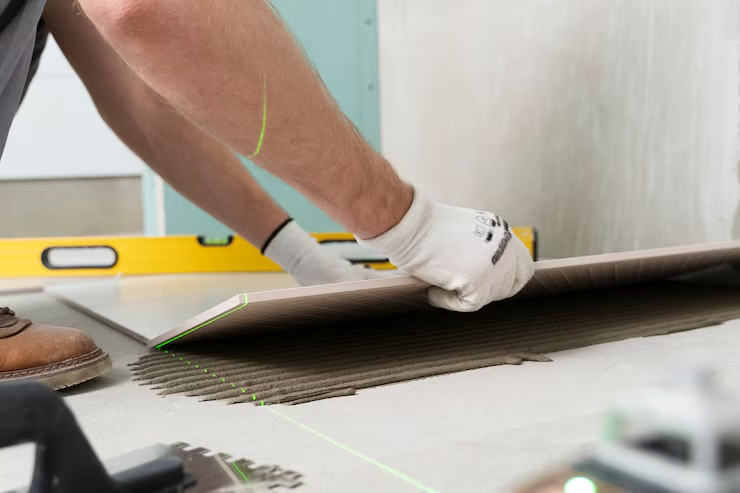
The Role of Primer in Professional Waterproofing
In professional waterproofing applications, the primer acts as a bridge between the surface and the base coat. This bridge ensures perfect bonding of the material to the substrate. Furthermore, the primer prevents water penetration by closing the micropores in the surface. This effect is particularly noticeable on concrete surfaces.
Professional teams conduct surface tests during application. These tests demonstrate the primer's adhesion. Additionally, the compatibility of the primer type with the coating material is also examined. Not every primer is compatible with every material.
High-quality primer application ensures the longevity of buildings. This effect is particularly important for exterior and foundation insulation. However, it's not just the product itself that requires professionalism, but also the application process. Therefore, receiving support from reliable material manufacturers makes a big difference. Learn more Sempoly You can also visit the website. gallery page You can browse completed projects via. You can also contact us You can reach us from here.
Contribution of Primer Application to Building Durability
Primer application directly impacts the durability of buildings. A strong insulation system protects the building from external factors. Water can seep into the concrete, causing freeze-thaw cycles. This, in turn, creates cracks and deformation over time. Primer eliminates this risk.
Primer also provides protection against chemical attack, as well as water. This feature is particularly important for surfaces exposed to aggressive chemicals in industrial facilities. Choosing the right primer increases the coating's chemical resistance.
In conclusion, applying a primer for waterproofing isn't just a preliminary step. It's the cornerstone of the entire system. When applied correctly, it extends the life of the structure and reduces maintenance costs. Combined with professional application, maximum protection is achieved.
 English
  Turkish
  Russian