
Polyurea Systems Curing Process: Fast and effective application techniques are critical for increasing the durability of floor coatings. Polyurea coatings provide long-lasting protection against high abrasion and chemical attack in industrial environments. Correct temperature, humidity, and surface preparation are applied during the application process, and these factors directly affect the system's durability. The effectiveness of polyurea coatings is determined by both rapid curing and high mechanical resistance. For detailed information about this process, please visit the tests to be done before floor covering page You can visit.
The Importance of Surface Preparation in Polyurea Systems
Successful polyurea application is directly related to surface preparation. The surface must be free of dust, oil, and moisture before application. Furthermore, surface roughness increases the adhesion of the polyurea coating. Tests and measurements determine the suitability of the surface for the coating. During surface preparation Methods recommended by sempoly.com These steps save time during application and provide long-lasting results.
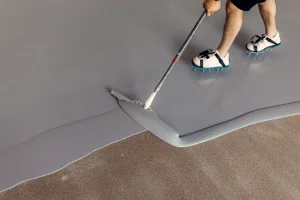
Polyurea Curing Process and Active Factors
Polyurea coatings cure rapidly after application, and this process varies depending on environmental conditions. Temperature, humidity, and air circulation directly affect the cure time. Furthermore, the chemical composition and mixing ratios of the material used are also critical. With proper application techniques, polyurea hardens quickly and gains high durability. This allows long-lasting protection in industrial areas is provided.
Speed and Effectiveness in Application Techniques
Fast application in polyurea systems is crucial for optimizing workflow. Equipment and spray techniques ensure uniform coating distribution. Furthermore, methods to accelerate the curing process are meticulously implemented by professional teams. Safety precautions and material management are also implemented simultaneously during application. These techniques both increase occupational safety and ensure the longevity of the coating.
Durability Tests on Polyurea Coatings
After curing, polyurea coatings are subjected to various durability tests. Mechanical pressure, chemical resistance, and abrasion tests measure the coating's performance. These tests ensure the quality of the application and ensure long-term durability. Furthermore, the test results are used as a reference for making improvements in future applications. For detailed testing procedures and tips, see the relevant page of sempoly.com You can review.

Polyurea Material Selection and Quality Criteria
The success of polyurea coatings is directly dependent on the quality of the material used. High-quality polyurea offers high elasticity and chemical resistance. Certifications and manufacturer references are taken into consideration when selecting materials. Furthermore, the lifespan and performance of the coating are increased by applying the correct material. Material testing prior to application is crucial to increasing success rates. sempoly.com's material testing recommendations is implemented and error-free results are obtained.
The Importance of Temperature and Humidity Control
Ambient temperature and humidity are critical factors in the polyurea curing process. Low temperatures prolong the coating's hardening time, while high temperatures promote rapid curing. Humidity also affects surface adhesion and the uniform distribution of the coating. Therefore, weather conditions are carefully monitored before application. Long-lasting protection in industrial areas with polyurea coating Optimum conditions are applied to ensure
Equipment and Application Techniques
The spray equipment used during application determines the quality and speed of the coating. Choosing the right equipment ensures a homogeneous and durable coating. Furthermore, equipment settings and spray angles directly impact the curing process. Professional teams meticulously check these parameters before application, ensuring fast and effective application of polyurea systems. For detailed information on application techniques, please visit Gallery page of sempoly.com can be examined.
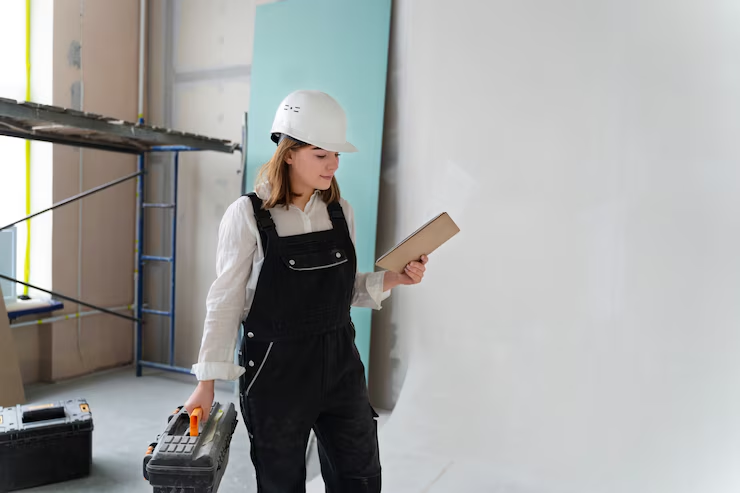
Relationship Between Coating Thickness and Performance
In polyurea coatings Thickness directly affects durability and flexibility. Thin coatings are economical but more susceptible to abrasion, but applications of appropriate thickness provide long-lasting protection. Thickness is adjusted during application by spraying and mixing ratios. Furthermore, thickness compliance with standards increases success in mechanical pressure and chemical resistance tests. For thickness measurement and control methods, sempoly.com's test tips is implemented.
Fast Curing Advantages of Polyurea Coatings
Rapid curing allows for application in industrial areas without disrupting operations. Polyurea coatings harden on the surface within an average of a few hours and are ready for use quickly. This offers significant advantages in terms of occupational safety and production continuity. Furthermore, rapid curing reduces labor costs and saves time. The effectiveness of polyurea systems is directly related to correct application and material selection.
Chemical and Mechanical Resistance
Polyurea coatings exhibit high resistance to chemicals and mechanical impacts. In industrial environments, acids, oils, and solvents test the coating's quality. Properly cured polyurea provides long-lasting protection against these effects. Furthermore, mechanical durability protects the coating against heavy equipment use and impacts. Therefore, polyurea systems are the ideal choice for projects requiring high performance and longevity.
 English
  Turkish
  Russian